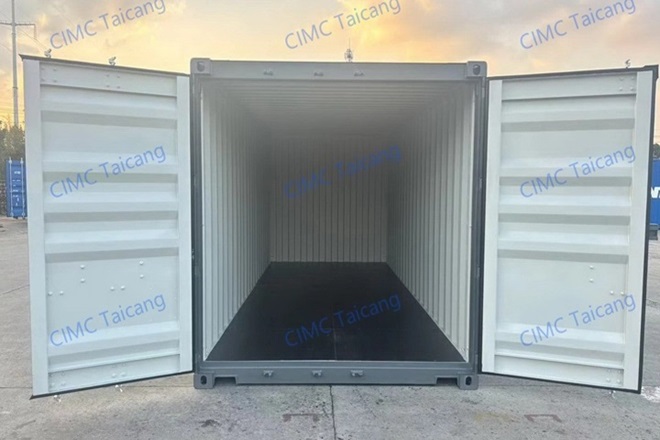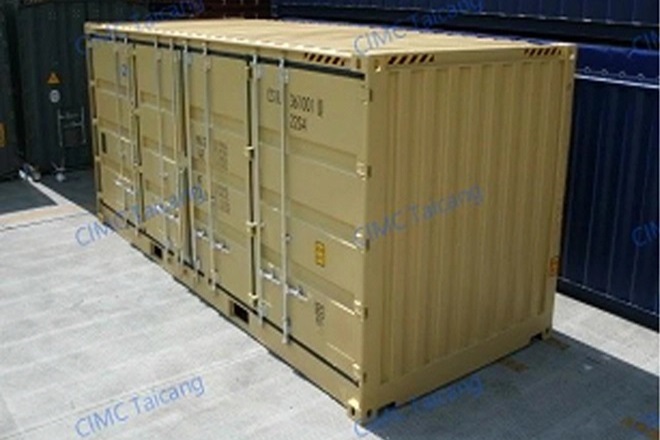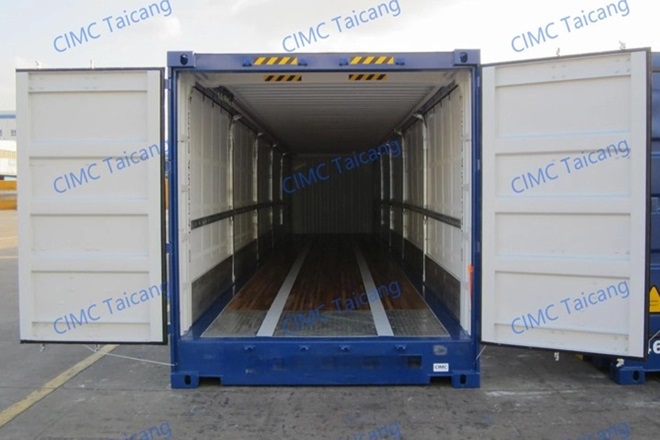
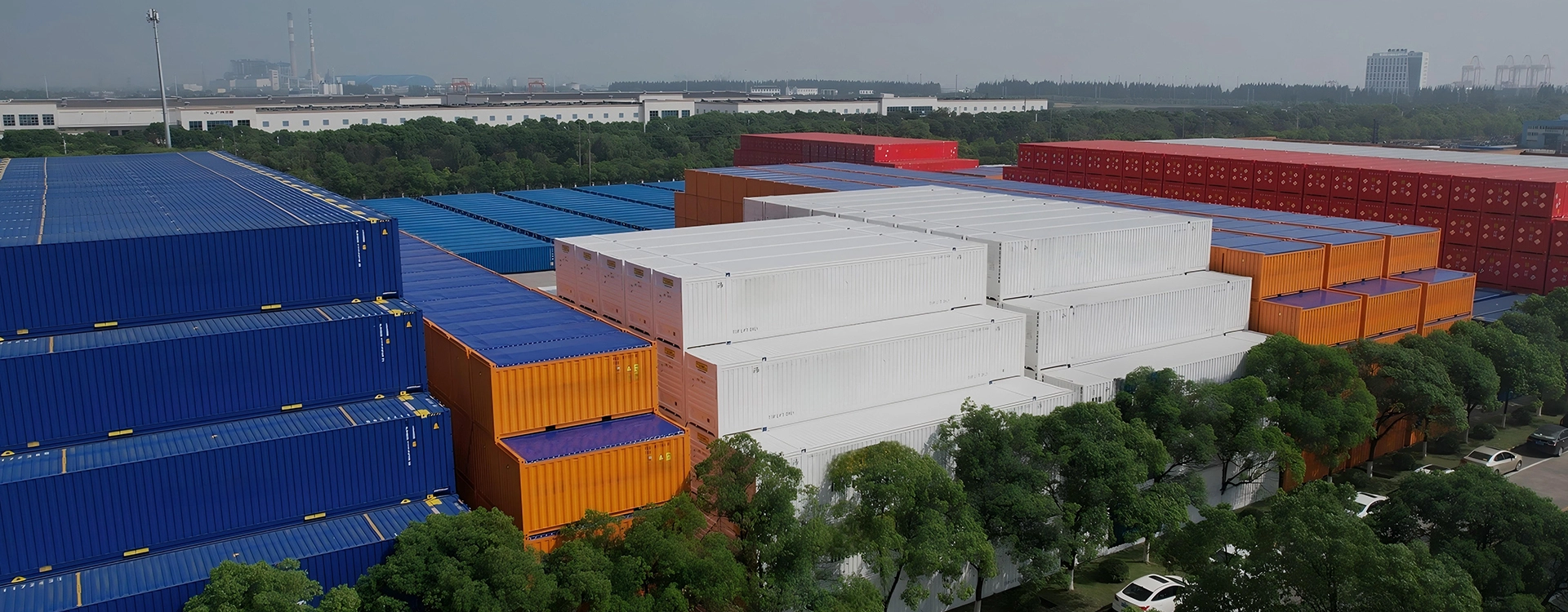

A container purchase should start with the cargo profile and route, not only the nominal container size. These four checks help procurement and logistics teams narrow the right configuration.
01 / Cargo Density
Heavy or Dense Cargo
When the shipment reaches weight limits before filling the available volume, a GP container—often a 20' GP—can be the more efficient choice.
02 / Cargo Volume
Bulky or Lightweight Cargo
When cubic capacity is the main constraint, High Cube models provide additional vertical space without changing the standard width.
03 / Loading Method
Door & Handling Requirements
Review cargo height, forklift clearance, pallet format and loading sequence before finalizing GP or HC configuration.
04 / Operating Route
Intermodal Compatibility
Confirm the selected size fits your shipping line, terminal, rail, chassis, local road and final delivery requirements.
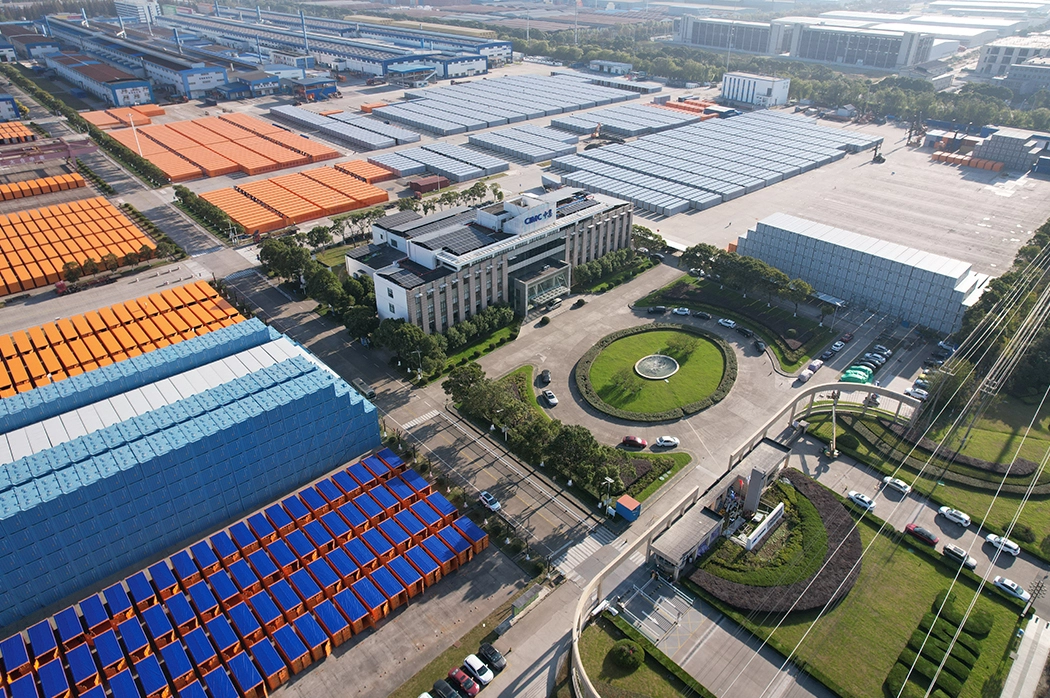
Industry-Leading Manufacturing Capacity
Annual production capacity reaches 450,000 ISO standard containers and 100,000 special containers.
Trusted Global Manufacturer
CIMC Taicang is the flagship manufacturing base of CIMC Containers, integrating R&D, manufacturing, sales, and after-sales service for customers worldwide.
Intelligent Manufacturing
Recognized as a National Green Factory, High-tech Enterprise, and Jiangsu Intelligent Manufacturing Factory.
Market Leadership
Industry-leading production of 20GP, 40GP, 53ft, Open Top, and other types. Standard container market share has ranked No.1 in the industry for consecutive years.
Efficient Global Delivery
Located at Taicang Port in the Yangtze River Delta with integrated river-sea-port-rail logistics for efficient worldwide shipment.
CIMC Taicang operates a quality management system covering material inspection, in-process checks, product testing and final inspection. Standardized process control helps maintain consistent performance across large container batches.
Incoming Materials
Material inspection and production preparation establish quality requirements before fabrication begins.
Process Control
Self-inspection, mutual inspection and standardized production controls help prevent defects during manufacturing.
Product Testing
Finished containers are checked against applicable technical and customer requirements before release.
Final Inspection
Final verification supports consistent quality, documentation and delivery readiness.